Industries / Aerospace & Defense
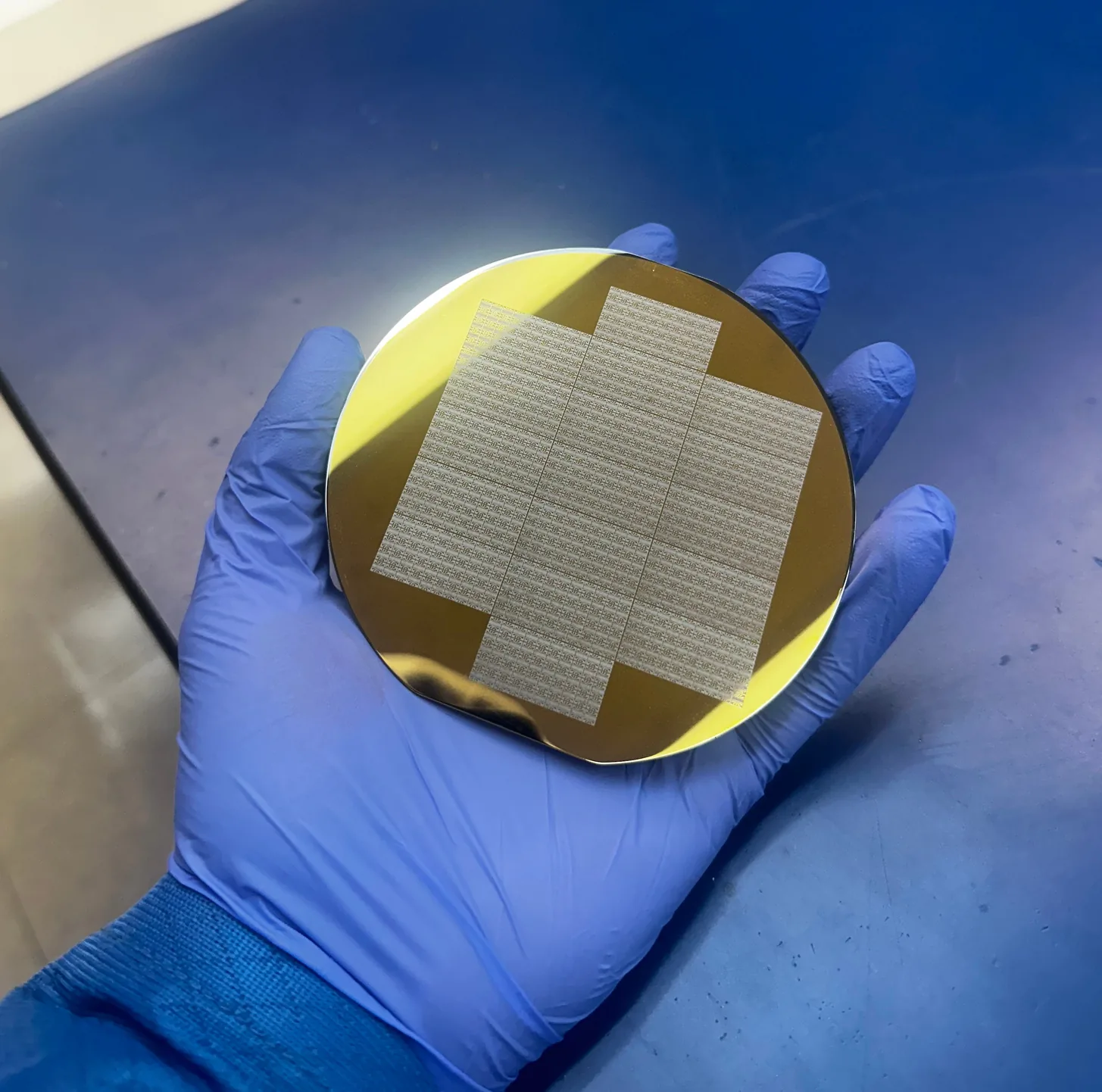
Aerospace microelectronics packaging, US-based.
Gold ball and aluminum wedge wire bonding, eutectic AuSn and epoxy die attach, hermetic seam sealing with MIL-STD-883 Method 1014 leak test, flip chip, and 3D heterogeneous integration – developed, qualified, and built domestically by one engineering team.
/ US-soil sourcing / MIL-STD-883 & 750 / full traceability
What aerospace programs require
MIL-STD-883 qualification, built on US soil.
A&D buyers do not shop on price first. They qualify a partner on where the work happens, how it is controlled, and whether it survives the mission. We are built for that conversation.
- 01US-soil sourcing. Design, development, and assembly stay domestic – structured supply chain with traceable, domestic vendor coordination.
- 02MIL-STD qualification. Helium fine and gross leak to MIL-STD-883 Method 1014, destructive bond pull to Method 2011, die shear to Method 2019 – plus thermal cycling and screening mapped to the standard your program calls out. Discrete-device flow-downs run on the MIL-STD-750 equivalents.
- 03Hermetic packaging. Kovar lids, glass-to-metal seals, and eutectic seam sealing in Au-Si, Au-In, and Sn-Ag for harsh-environment, long-life, and high-reliability hardware.
- 04Traceability. Process, inspection, metrology, and test data captured per build – documented and defensible under audit.
Capabilities mapped to the mission
Wire bond, flip chip, hermetic seal – one floor.
From a single MMIC or MEMS die to a stacked, heterogeneous module – the assembly methods aerospace electronics actually run on, from die bonding through interconnect, developed in-house and qualified to your requirement.
Materials – Si, GaAs, GaN-on-SiC, sapphire, quartz, AlN, Kovar, polyimide, thin-film metallization. Wafer 2″–12″. Deeper design rules and process detail available under NDA.
Die attach
AuSn, epoxy, sintered silver – the attach sets the thermal budget.
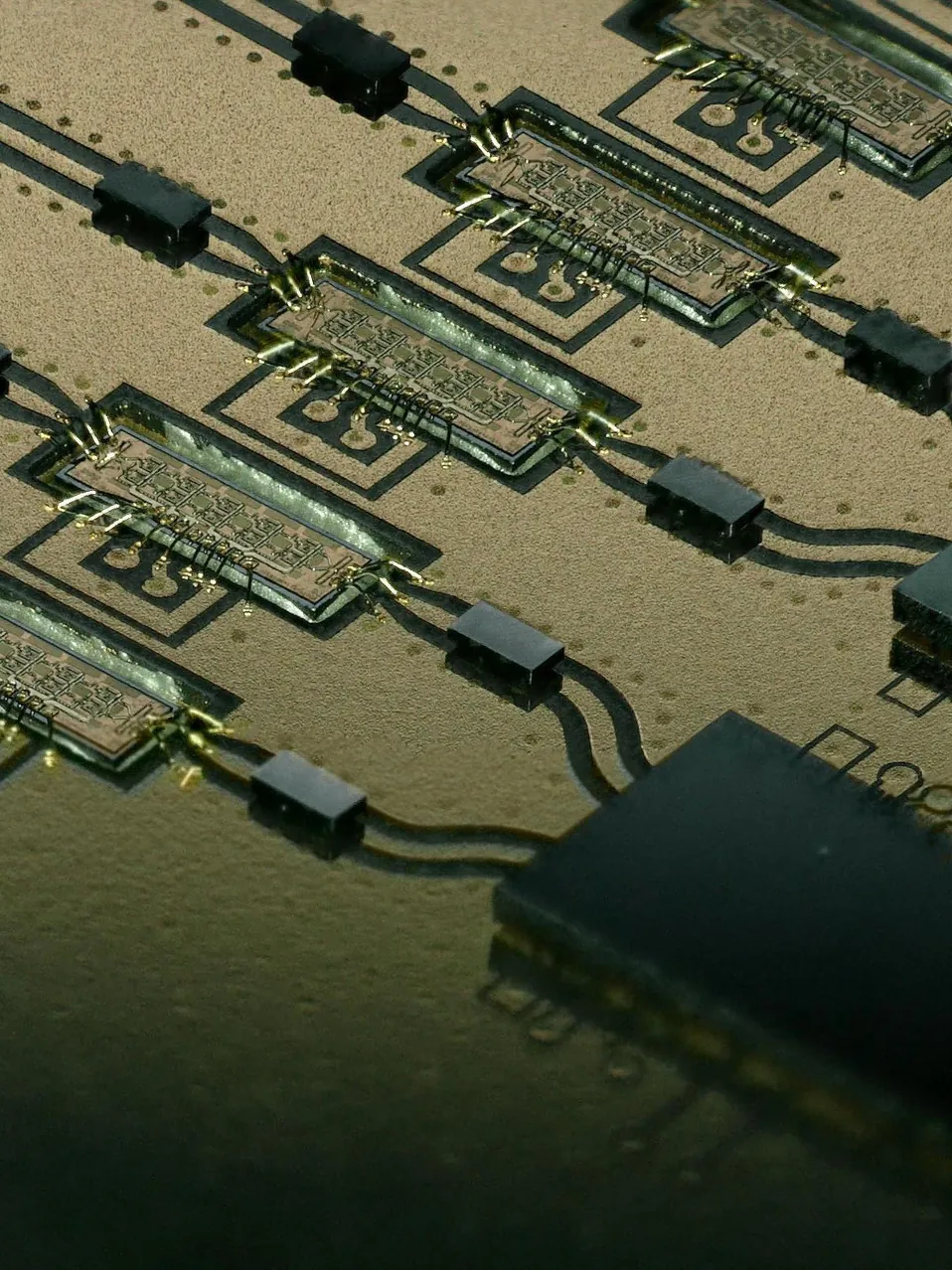
The die attach is the first joint in the stack and the one every later step has to survive. We select the metallurgy by thermal budget and temperature hierarchy, not by habit, and qualify it by die shear to MIL-STD-883 Method 2019.
Eutectic
AuSn 80/20, fluxless
Gold-tin eutectic reflows at 280 °C with no flux residue, forms a void-controlled metallurgical joint at 5–25 µm bond lines, and stays solid through board-level reflow – the route for hermetic, step-soldered, and RF ground-path builds.
Epoxy
Silver-filled, compliant
Conductive and non-conductive epoxy cures at or below 150 °C, relieves stress across CTE-mismatched stacks – GaAs or MEMS die on metal and ceramic carriers – and is the one attach that can be reworked.
Sinter
Sintered silver, no re-melt
Pressure or pressureless silver sinter processes at 200–250 °C and never melts again – for power die and sustained high-temperature operation where solder fatigue is the failure mode.
Die bonding & attach in depth → GaN-on-SiC attach detail on the GaN packaging page.
Proof, from real builds
Yield isn't a target. It's the record.
Aviation interposers assembled · 100% yield
Domestic supply chain, US-based
883 & 750 method experience
Additional case studies, full process detail, and build data available under NDA.
Qualification, by method number
MIL-STD-883 Methods 1014, 2011, 2019 – by number.
Program flow-downs cite method numbers, not adjectives. These are the MIL-STD-883 test methods we run on aerospace packaging work, and their MIL-STD-750 equivalents for discrete semiconductor devices.
| Method | Test | How we run it |
|---|---|---|
| 883 Method 1014 | Seal (hermeticity) | Helium-tracer fine leak plus gross leak on sealed cavity packages – both halves of the hermeticity test in one method, run after seam seal or lid attach. |
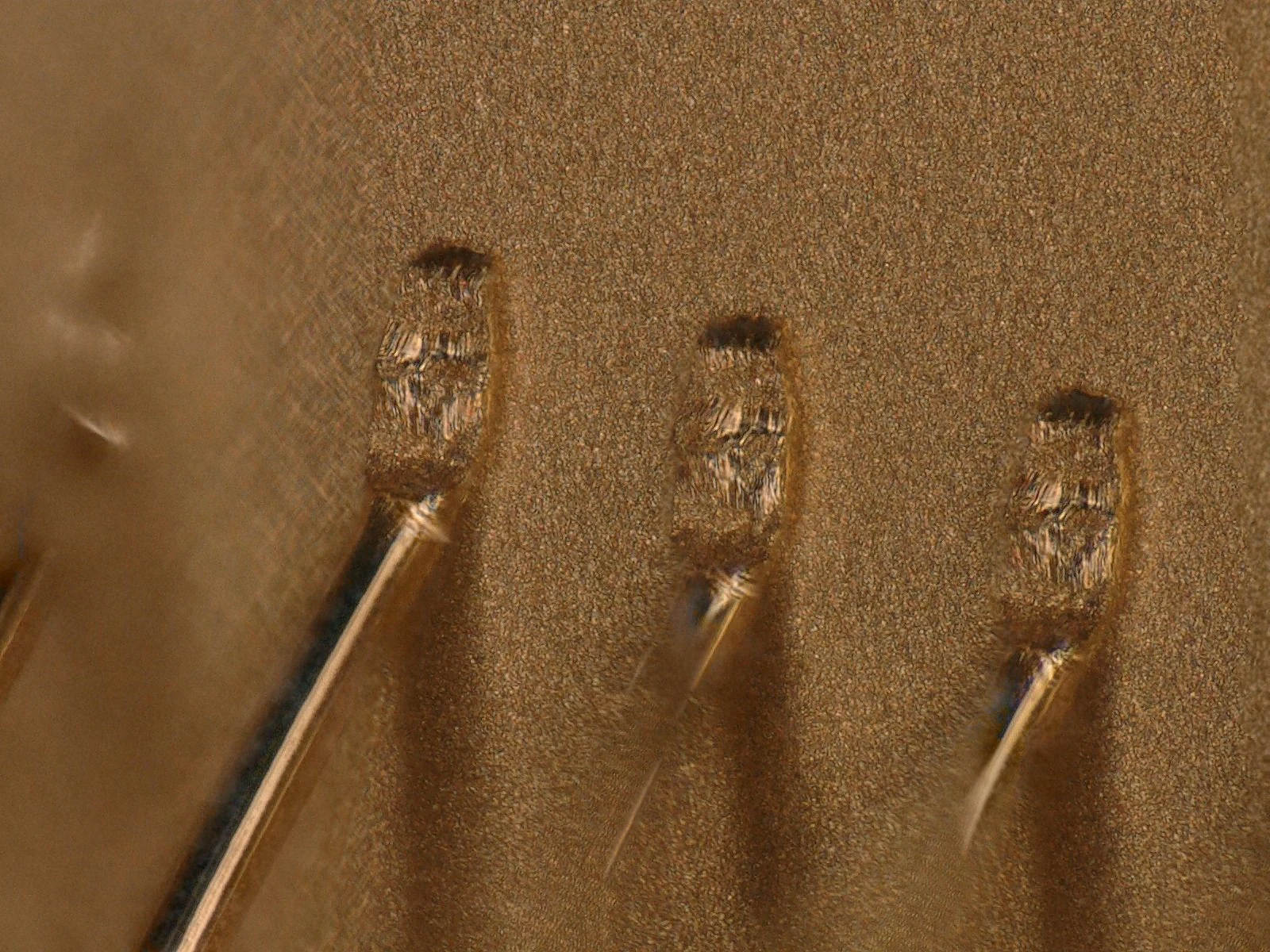
| 883 Method 2011 | Bond strength (destructive pull) | Gold ball and aluminum wedge bonds pulled to failure. Our process target is 3–4x the Method 2011 minimum, not just past it. |
| 883 Method 2019 | Die shear strength | Die-attach integrity of eutectic, epoxy, and sintered-silver joints – shear to failure with failure-mode inspection, per lot when the flow-down asks for it. |
| 750 Method 2037 | Bond strength (discretes) | The MIL-STD-750 counterpart to 883 Method 2011, for diode and transistor packages qualified under MIL-PRF-19500 flows. |
Note: MIL-STD-750 numbering is not parallel to 883 – 750 Method 2017 is die-attach integrity while 883 Method 2017 is internal visual. We read your flow-down against the standard it actually cites.
Domestic supply chain
Die attach to leak test, one US line.
Splitting a program across brokers and offshore shops adds risk at every handoff – lead time, traceability gaps, and parts you cannot fully account for. Not a relay race: attach, wire bond, seal, and test run on one floor.
We consolidate design support, domestic sourcing, vendor coordination, assembly, inspection, and test under one US-based engineering team. Process transfer is structured and documented, so a program that starts as a prototype scales without re-qualifying the whole chain.
How we engage
Scoped, under NDA, engineer to engineer.
We talk to your engineers, not just procurement.
Tell us the mission profile and the standard you have to meet. We will tell you what is feasible, where the risk is, and what we need to retire it – before you commit a program to it.
Process More.
Bring us the program
that has to be built here.
US-soil packaging and assembly, qualified to your standard. Request a capability brief for design rules, full process detail, and build data under NDA.
/ US-soil / hermetic-ready / MIL-STD